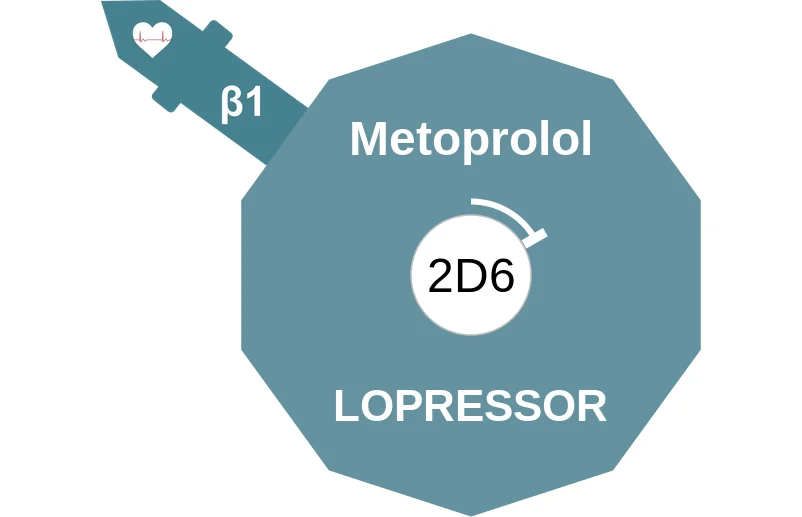
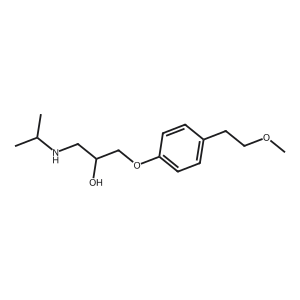
Metoprolol
LOPRESSOR
Pronunciation: me-TOE-proe-loel
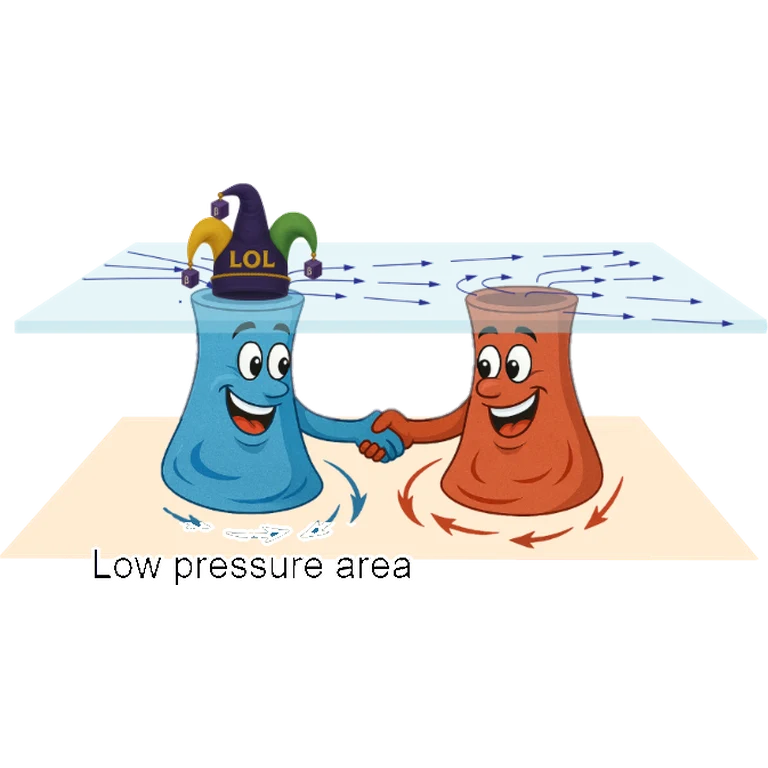
“Low-pressure Meet-up”
LOL hat → β blocker
What it isBeta-1-selective antagonist for hypertension and angina; the succinate form also treats systolic heart failure.
Why this oneOnly extended-release metoprolol succinate carries heart-failure survival evidence; tartrate is not interchangeable.
What limits itBradycardia and hypotension limit it. CYP2D6 inhibitors or poor metabolism raise exposure; taper to avoid rebound ischemia.
FDA-approved for
- hypertension/angina (1978)
- heart failure (2001)
Off-label
- migraine prophylaxis
- performance anxiety
FDA label
Read the full label on DailyMed ↗
| FDA dosing | Population | Start | Target | Max |
|---|---|---|---|---|
| Hypertension | Adult | 100 mg/day (QD or divided) | 100–450 mg/day | 450 mg/day |
| Angina pectoris | Adult | 100 mg/day divided BID | 100–400 mg/day | 400 mg/day |
| Myocardial infarction | Adult | 50 mg q6h ×48h (after IV metoprolol) | 100 mg BID maintenance |
Titration Titrate at weekly (or longer) intervals
Renal No adjustment needed
Hepatic Initiate at lower doses and titrate gradually (levels increase with poor hepatic function)
Instructions
- Take with or immediately following meals
- Do not discontinue abruptly; taper over 1–2 weeks
Available strengths
- tab 12.5, 25, 37.5, 50, 75, 100 mg
- ER cap 25, 50, 100, 200 mg
- ER tab 25, 50, 100, 200 mg
- sol 10 mg/mL
- inj 1 mg/mL
Contraindications
- Severe bradycardia
- Second- or third-degree heart block
- Cardiogenic shock
- Systolic blood pressure <100 mmHg
- Decompensated heart failure
- Sick sinus syndrome without a pacemaker
Cautions
- Abrupt cessation may exacerbate angina/precipitate MI
- Worsening heart failure during up-titration
- Bronchospastic disease: generally avoid beta-blockers
- Pheochromocytoma: initiate alpha-blocker first
- Major surgery: avoid high-dose initiation
- May mask hypoglycemia symptoms
- Thyrotoxicosis: abrupt withdrawal may precipitate thyroid storm
- Peripheral vascular disease aggravation
Adverse reactions
- Tiredness
- Dizziness
- Depression
- Shortness of breath
- Bradycardia
- Hypotension
- Diarrhea
- Pruritus/rash
Pregnancy No demonstrated association with adverse developmental outcomes; crosses placenta — monitor neonate for hypotension, hypoglycemia, bradycardia, respiratory depression
Lactation Present in human milk (~0.5–2% of maternal weight-adjusted dose); no adverse infant reactions identified; monitor infant for beta-blockade
Cost
Generic entry1993
NO BOXED WARNINGS
Principal riskBradycardia; abrupt withdrawal can precipitate ischemia
Classes and tags
Clinical profile
Legacy pregnancy categoryC
Defining liabilityBradycardia and hypotension; overdose may cause cardiogenic shock and conduction block.
Open Metoprolol in the interactive console ↗
Memory aids: interaction avatars