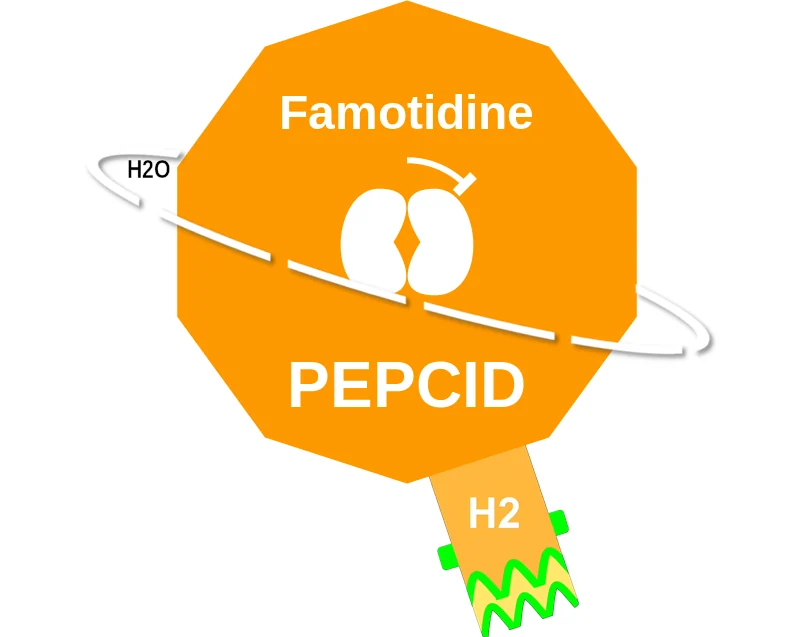
Famotidine
PEPCID
Pronunciation: fa-MOE-ti-deen

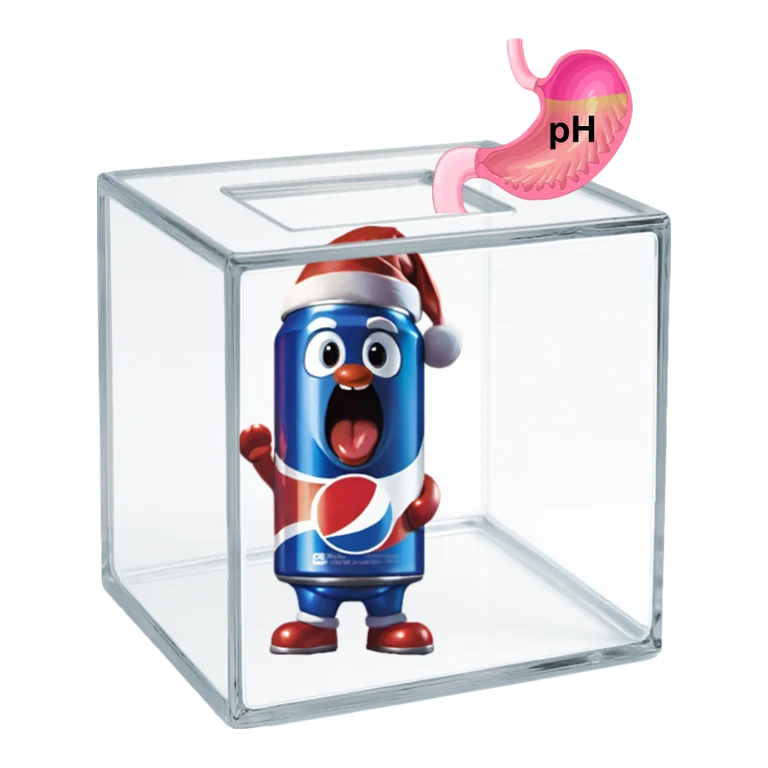
“Pepsi Family tidings”
What it isH2 receptor antagonist; GERD and ulcer disease.
Why this oneUnlike cimetidine, it has essentially no CYP inhibition, making it the H2 blocker for polypharmacy and on-demand use.
What limits itTolerance erodes scheduled acid suppression within weeks. Reduce in renal impairment; accumulation can cause confusion or QT effects.
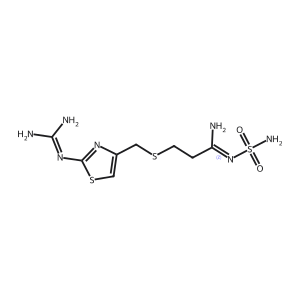
FDA-approved for
- GERD/ulcers (1986)
Off-label
- adjunct in anaphylaxis and urticaria
- stress ulcer prophylaxis
FDA label
Read the full label on DailyMed ↗
| FDA dosing | Population | Start | Target | Max |
|---|---|---|---|---|
| Active duodenal ulcer | Adults & peds ≥40 kg | 40 mg QD or 20 mg BID | 40 mg QD or 20 mg BID | |
| Active gastric ulcer | Adults & peds ≥40 kg | 40 mg QD | 40 mg QD | |
| Symptomatic nonerosive GERD | Adults & peds ≥40 kg | 20 mg BID | 20 mg BID | |
| Erosive esophagitis | Adults & peds ≥40 kg | 20 mg BID or 40 mg BID | 20 mg BID or 40 mg BID | |
| Pathological hypersecretory conditions | Adults | 20 mg q6h | adjust to patient needs | 160 mg q6h |
| Reduction of risk of DU recurrence | Adults | 20 mg QD | 20 mg QD |
Renal Reduce dosage for moderate–severe impairment (CrCl <60); no adjustment for mild (CrCl ≥60)
Hepatic Undefined
Instructions
- Take once daily before bedtime or twice daily (morning and before bedtime)
- May be taken with or without food; may be given with antacids
- For pediatric patients <40 kg, use another formulation (oral suspension or lower-dose tablet)
Available strengths
- tab 10, 20, 40 mg
- susp 40 mg/5 mL
- inj 0.4, 10 mg/mL
- chew tab 20 mg
- sol 40 mg/5 mL
Contraindications
- Serious hypersensitivity (e.g., anaphylaxis) to famotidine or other H2-receptor antagonists
Cautions
- CNS adverse reactions (confusion, delirium, seizures) in elderly and moderate/severe renal impairment — reduce dose
- Absence of GI symptoms does not preclude gastric malignancy — evaluate before/after treatment
Adverse reactions
- Headache
- Dizziness
- Constipation
- Diarrhea
Pregnancy Insufficient data to establish drug-associated risk; animal studies showed no adverse developmental effects
Lactation Limited data; present in human milk with no reported effects on breastfed infant
Cost
Generic entry2001
NO BOXED WARNINGS
Principal riskDose adjustment needed in renal impairment
Classes and tags
Clinical profile
Legacy pregnancy categoryB
Defining liabilityLong-term infection, magnesium/B12 and bone risks; selected agents have clinically important CYP interactions.
Open Famotidine in the interactive console ↗
Memory aids: interaction avatars