Digoxin
LANOXIN
Pronunciation: di-JOX-in
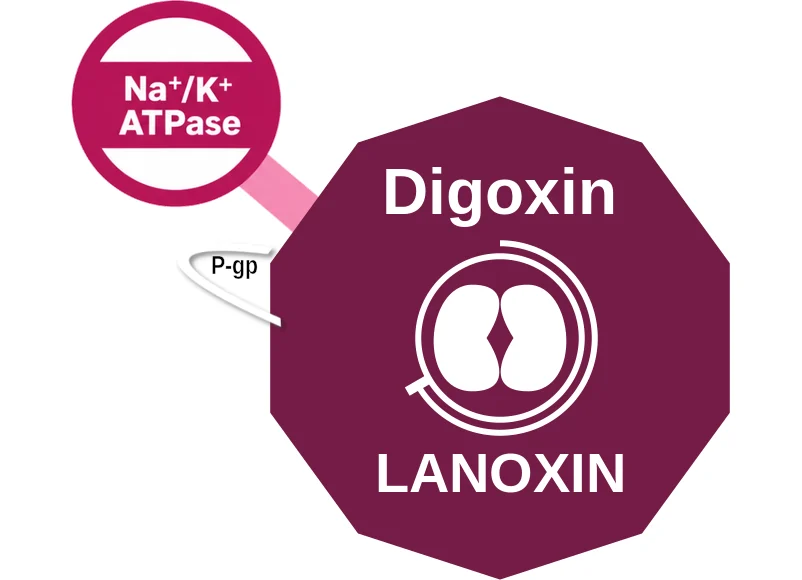

“Land Diggin’ ox (Digital)”
What it isNa-K ATPase inhibitor raising intracellular calcium; rate control in atrial fibrillation and symptom control in heart failure.
Why this oneIt slows the ventricular rate without lowering blood pressure, so it suits hypotensive patients whom beta blockers and diltiazem cannot.
What limits itNarrow therapeutic index with level monitoring. Renally cleared, and hypokalemia worsens toxicity; amiodarone and verapamil raise levels through P-gp.
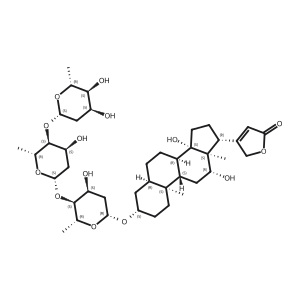
FDA-approved for
- heart failure (~1954)
- atrial fibrillation (~1954)
Off-label
- rate control in atrial fibrillation
FDA label
Read the full label on DailyMed ↗
| FDA dosing | Population | Start | Target | Max |
|---|---|---|---|---|
| Oral loading dose (rapid titration; HF / AF rate control) | Adults & pediatric >10 y | 10–15 mcg/kg total: ½ initially, then ¼ q6–8h ×2 | ||
| Oral loading dose (rapid titration) | Children 5–10 y | 20–45 mcg/kg total: ½ initially, then ¼ q6–8h ×2 | ||
| Maintenance dosing | Adults & pediatric >10 y | Individualized to lean body weight, renal function, age, and concomitant drugs |
Renal Renally eliminated; consider renal function in dosage selection and reduce dose accordingly.
Hepatic Undefined
Toxic levels are only slightly higher than therapeutic; monitor serum concentrations and for signs of toxicity.
Instructions
- Use digoxin oral solution for infants, young children, or very low body weight to obtain the appropriate dose
- Give loading as ½ the total dose initially, then ¼ q6–8h ×2, assessing response/toxicity before each dose
- Consider dose interruption or reduction before electrical cardioversion
Available strengths
- tab 62.5, 125, 250 mcg
- inj 0.1, 0.25 mg/mL
- sol 0.05 mg/mL
Contraindications
- Ventricular fibrillation
Cautions
- Ventricular fibrillation risk in Wolff-Parkinson-White / accessory AV pathway with atrial fibrillation
- Severe sinus bradycardia, SA block, or advanced/complete heart block in sinus node or AV conduction disease (consider pacemaker first)
- Digoxin toxicity (anorexia, nausea, vomiting, visual changes, arrhythmias); predisposed by advanced age, low body weight, renal impairment, electrolyte abnormalities
- Ventricular arrhythmias during electrical cardioversion
- Not recommended in acute myocardial infarction; avoid in myocarditis
Adverse reactions
- Cardiac arrhythmias
- Digoxin toxicity
- GI disturbances (anorexia, nausea, vomiting)
- CNS and visual disturbances
Pregnancy No identified drug-associated risk; requirements may increase during pregnancy and decrease postpartum — monitor levels; monitor neonate for toxicity.
Lactation Undefined
Cost
Generic entry1996
NO BOXED WARNINGS
Principal riskNarrow index; hypokalemia worsens toxicity
Classes and tags
Clinical profile
Legacy pregnancy categoryUnknown / historical label unavailable
Defining liabilityNarrow therapeutic index; arrhythmias, hyperkalemia and neurogastrointestinal toxicity worsen with renal impairment.
Open Digoxin in the interactive console ↗
Memory aids: interaction avatars